
The Royal Ottoman Society in Germany: Reviving a Spiritual Legacy in Modern Europe
Across Germany, where one of the largest Turkish diaspora communities in the world resides, conversations about identity often move between past and present. For some, Ottoman history is simply a chapter in textbooks. For others, it is a living heritage, spiritual, cultural, and deeply personal.
The Royal Ottoman Society is one of the organisations working to keep that heritage alive in contemporary Europe.
A Spiritual and Cultural Mission
Based in Germany, the Royal Ottoman Society is a Sufi-inspired cultural and spiritual association rooted in Ottoman tradition. The society centres its mission on spirituality, education, and the preservation of cultural heritage, offering a meaningful connection to Ottoman traditions for contemporary communities.
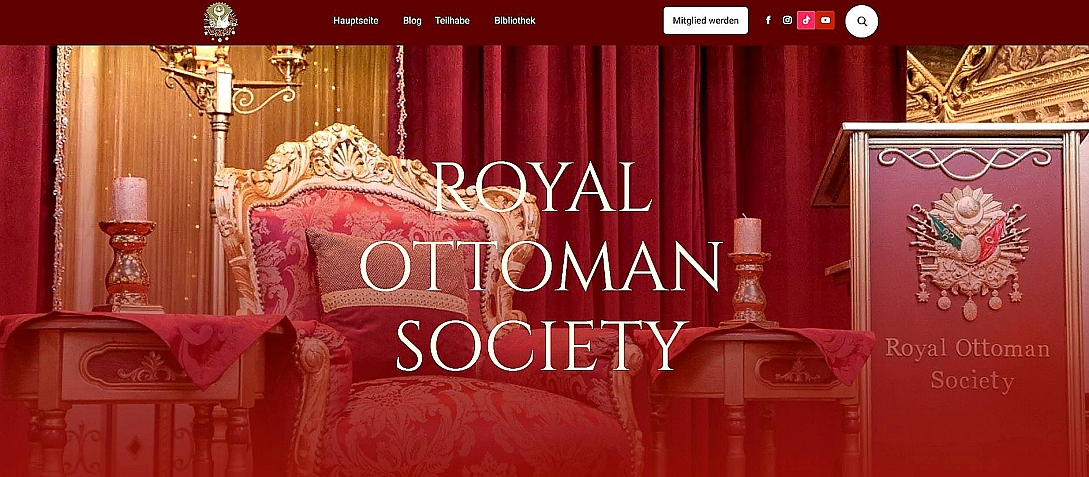
Its inspiration comes from the Naqshbandi-Haqqani Sufi tradition, a lineage known for emphasising remembrance of Allah (dhikr), moral refinement, humility, and service. Within this framework, Ottoman heritage is celebrated not just as history but as a rich civilisational legacy, blending governance, scholarship, artistic expression, and spiritual wisdom.
Guidance within this spiritual framework comes from leading figures such as Shaykh Muhammad Adil ar-Rabbani and his brother, Sheikh Bahauddin Adil, along with other respected Naqshbandi teachers. Their teachings emphasise discipline, ethical conduct, and service to society — principles that the Royal Ottoman Society promotes through its gatherings, cultural events, and educational outreach.
Activities and Community Engagement
The society organises gatherings that blend spirituality with culture, including:
-
Sufi nights featuring traditional devotional music
-
Lectures and sohbet (spiritual talks)
-
Cultural events celebrating Ottoman arts and history
-
Educational media and publications
Events often attract members of the Turkish diaspora as well as Europeans curious about Islamic spirituality and Ottoman civilisation. In a European context where identity questions can sometimes feel fragmented, such gatherings provide a sense of rootedness.
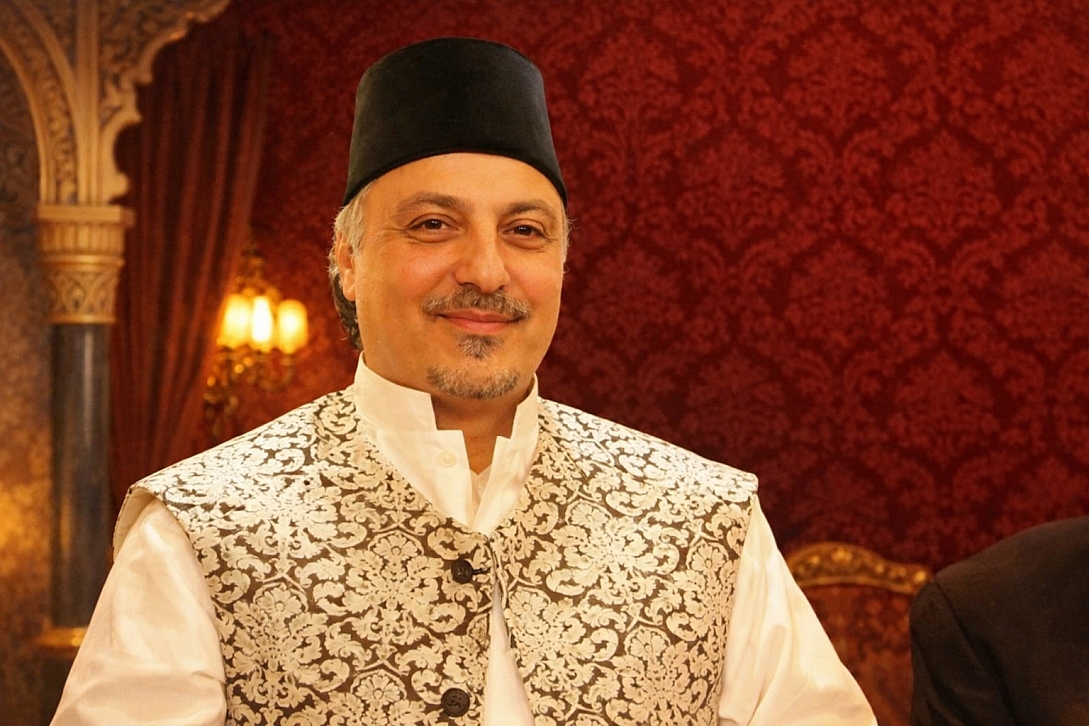
The society’s activities are further supported by figures such as Ayberk Efendi and Furqan Efendi, who help coordinate events, manage outreach, and guide educational initiatives. Together with the spiritual leadership, they ensure that Ottoman heritage and Sufi-inspired principles resonate with contemporary audiences.
Honouring Ottoman Heritage
The name Royal Ottoman Society reflects admiration for the legacy of the Ottoman Empire. “Royal” symbolises the dignity, refinement, and cultural richness of Ottoman heritage. It highlights the society’s aspiration to honour and share this historical and spiritual legacy with contemporary communities.
Connecting Past and Present: The Journey of Imran Efendi
An important public voice connected to the Royal Ottoman Society is Imran Efendi, a media presenter and content creator. He first gained attention as a YouTube travel vlogger, documenting journeys across Türkiye and historically significant Ottoman regions, mosques, palaces, architectural landmarks, and cultural sites. His early videos highlighted Ottoman craftsmanship, Islamic heritage, and local traditions in an accessible and engaging way.
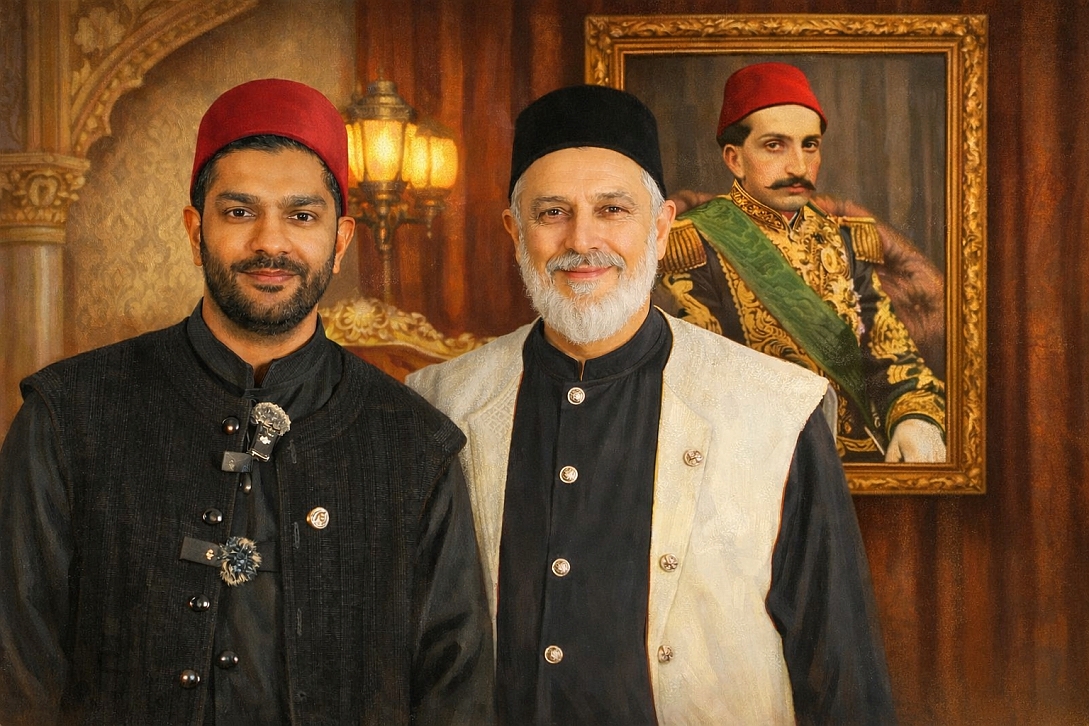
Over time, Imran Efendi’s work evolved from travel storytelling into a deeper exploration of Ottoman spirituality and identity. After becoming closely involved with the Royal Ottoman Society, he rebranded his media platforms under his own name, signalling a transition from cultural observer to active participant in spiritual education and community outreach.
Today, his online presence includes interviews with Sufi leaders, discussions of Ottoman history, and reflections on Islamic life in Europe, helping younger audiences engage with Ottoman heritage through modern media.
Ottoman Identity in the European Context
Germany’s Turkish community has evolved significantly since the first wave of guest workers arrived in the 1960s. Second and third generations now navigate multiple identities: European, Turkish, Muslim, and global.
In that environment, organisations like the Royal Ottoman Society occupy a unique niche. They reinterpret Ottoman values, spirituality, ethics, aesthetics, and scholarship within a modern European framework. For supporters, this offers continuity without isolation, allowing heritage to inform contemporary life rather than remain a static memory.
Bridging Tradition and Media
What sets the Royal Ottoman Society apart is how it brings Ottoman heritage and Sufi teachings into modern life. By sharing lectures, interviews, and cultural content online, it connects with audiences far beyond the walls of traditional gathering spaces, making its message accessible to a new generation.
Figures like Imran Efendi, Ayberk Efendi, and Furqan Efendi are part of this hybrid approach: combining traditional Sufi teaching with modern media to make Ottoman-inspired spirituality and cultural heritage accessible to a new generation.
The Royal Ottoman Society is one of several initiatives in Europe nurturing Ottoman spiritual and cultural identity. Its focus is on cultivating spiritual awareness, celebrating cultural heritage, and fostering a sense of community rooted in history.
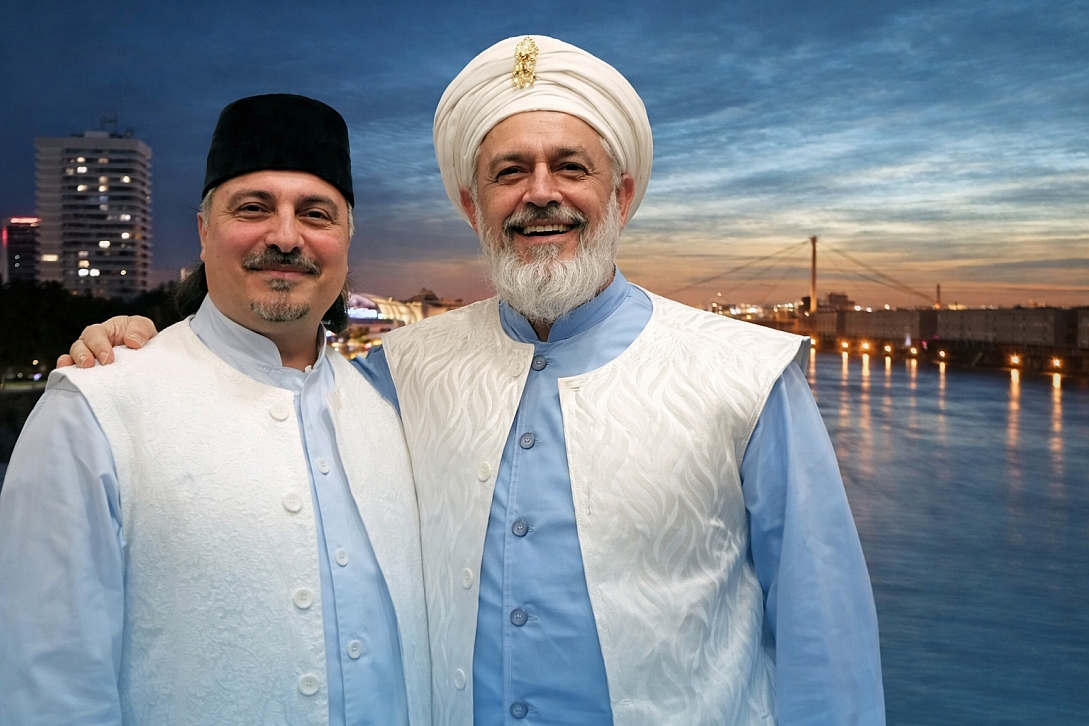
At the same time, the personal journeys of individuals such as Imran Efendi and the guidance of spiritual leaders like Shaykh Bahauddin Efendi illustrate how Ottoman heritage continues to inspire new forms of engagement, from travel storytelling to spiritual education.
In a rapidly changing Europe, where questions of identity remain central, such initiatives show that history, faith, and culture can coexist, adapt, and continue to guide contemporary communities.
LEAVE A COMMENT



0.0836